


CAMAGÜEY — October 10th, 1868, and October 12th, 1492, are two dates that speak to us as Cubans from different shores of history. One marks the beginning of Cuba’s wars of independence; the other, the European conquest of the Americas, the resistance of Indigenous peoples, and the wounds of colonization that still need to be examined.
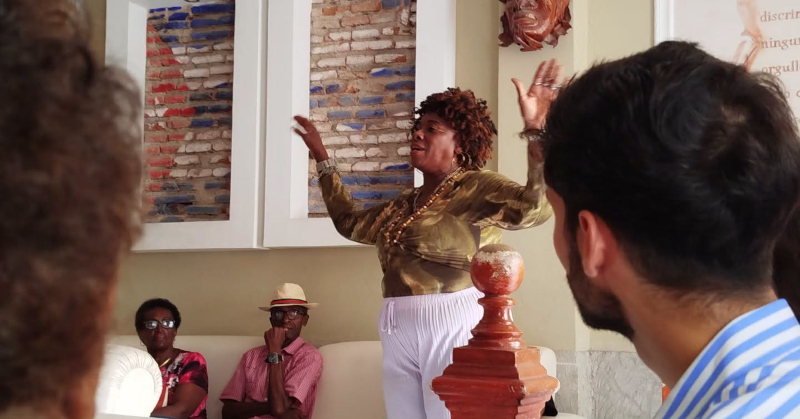
Historians, researchers, and representatives of cultural institutions discussed these processes, along with slavery, identity, and their echoes in the present, during a conversation titled Indigenous and Enslaved Resistance and Identity: Legacy, Present, and Future. The event was organized by the Provincial Committee of the Route of Enslaved Peoples, Casa Madiba, and the José Aponte Honorary Chair as part of Cuban Culture Week and the observance of the World Day of Indigenous and Enslaved Resistance.
Fernando Manzo Alonso, PhD in Sciences and president of the Camagüey branch of the Cuban Union of Historians (UNHIC), placed the uprising of October 10th, 1868, in its historical context, explaining the circumstances that precipitated the outbreak of the war and the scope of Carlos Manuel de Céspedes' measures regarding slavery. He also recalled the earlier example of Joaquín de Agüero in Puerto Príncipe, who had led an emancipation initiative before the Ten Years’ War.
Kezia Henry Night, PhD in Sciences and vice president of the provincial branch of UNHIC, suggested looking at the date through the lens of its contradictions. Although the uprising was led by slave owners, the independence movement opened the way for Black people, people of mixed ancestry, and other groups to take part in building the nation. “For me, October 10 gave birth to the Cuban,” she said, drawing connections between traditions of resistance stretching from Hatuey to the movement led by José Antonio Aponte.
Writer Sayli Alba, from Sancti Spíritus, reflected on the date 's relevance to contemporary Cuba and its emotional significance. Yoelxy Pilliner López, president of the Provincial Committee of the Route of Enslaved Peoples, explained the meaning of the term Afro-descendant, which encompasses both African ancestry and the processes of racial and cultural mixing.